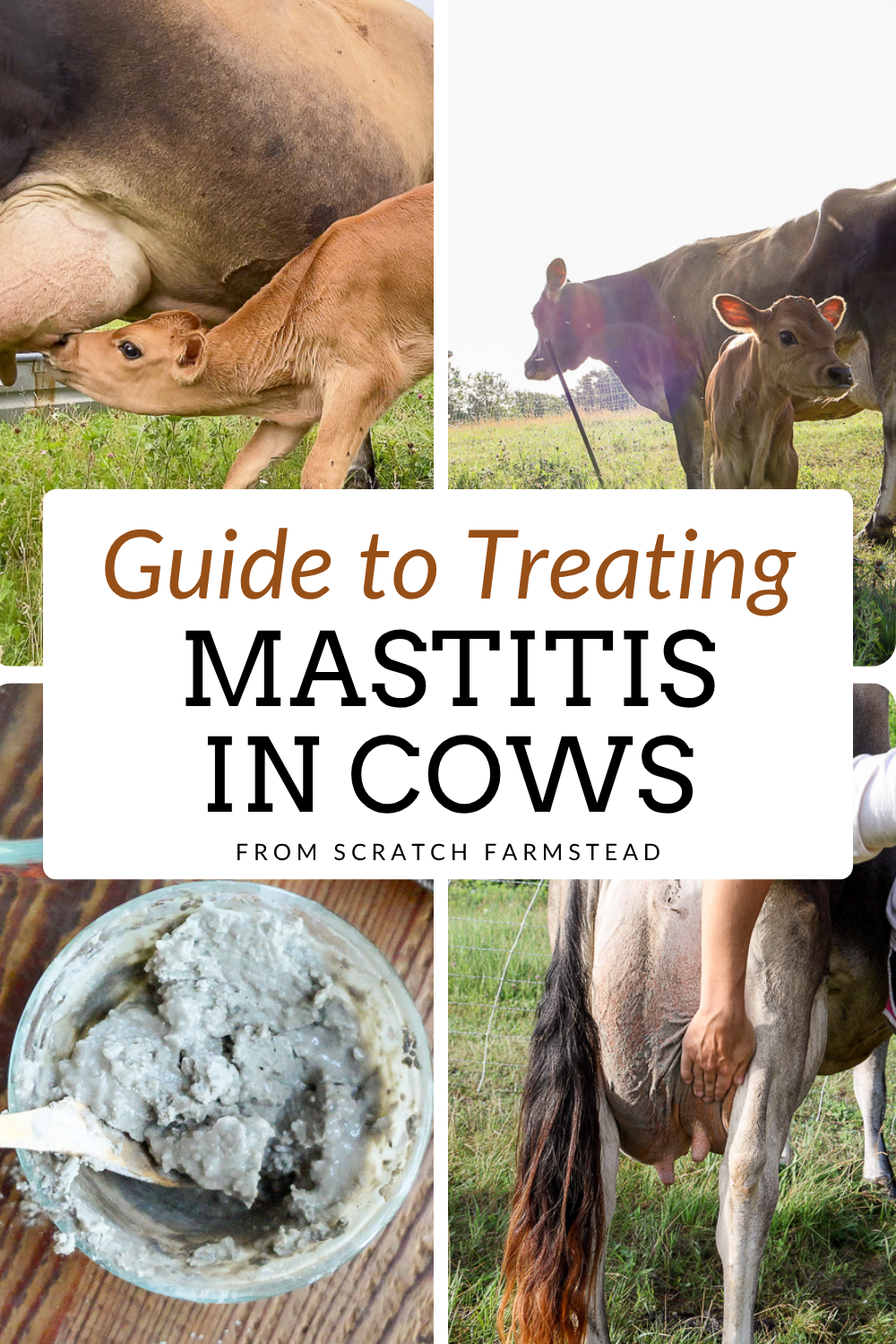
Treating Mastitis in Cows As Naturally As Possible
When it comes to treating mastitis in cows, nipping it in the bud as early as possible is crucial. Let’s get into what mastitis is, how to detect mastitis symptoms early, and what to do if full blown mastitis occurs in your cow.
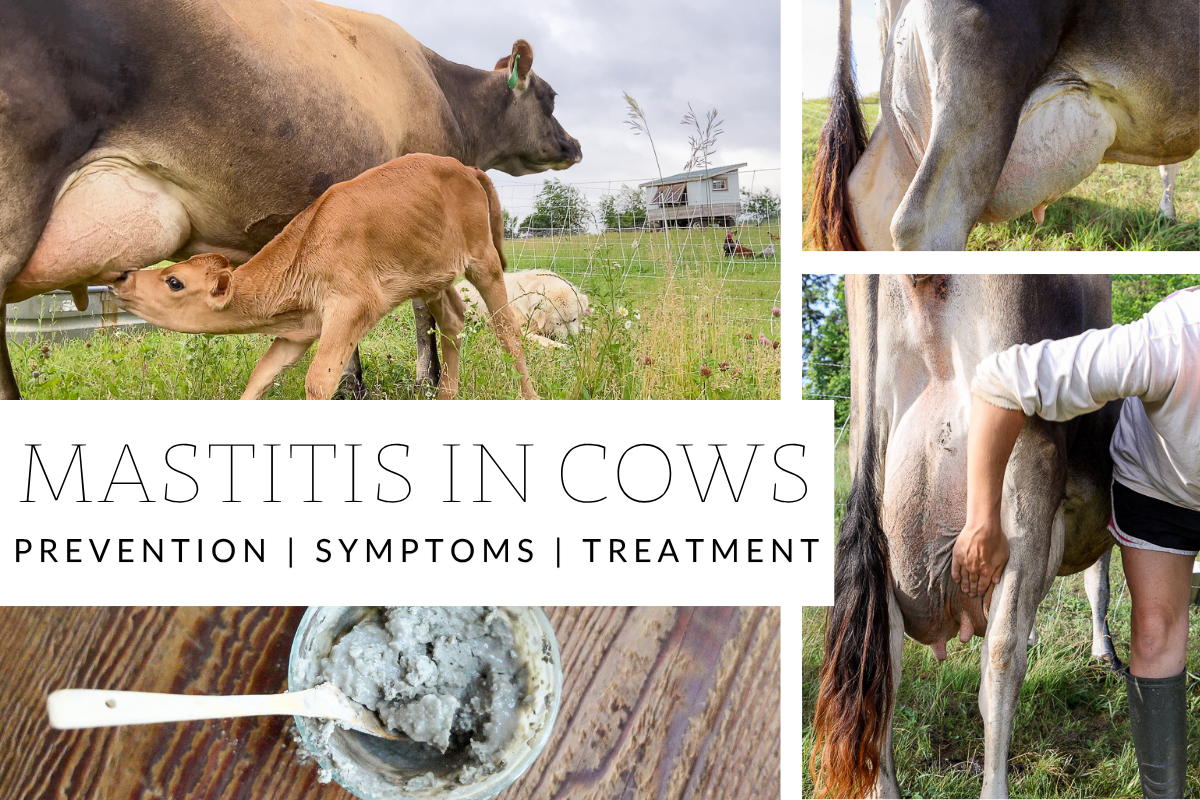
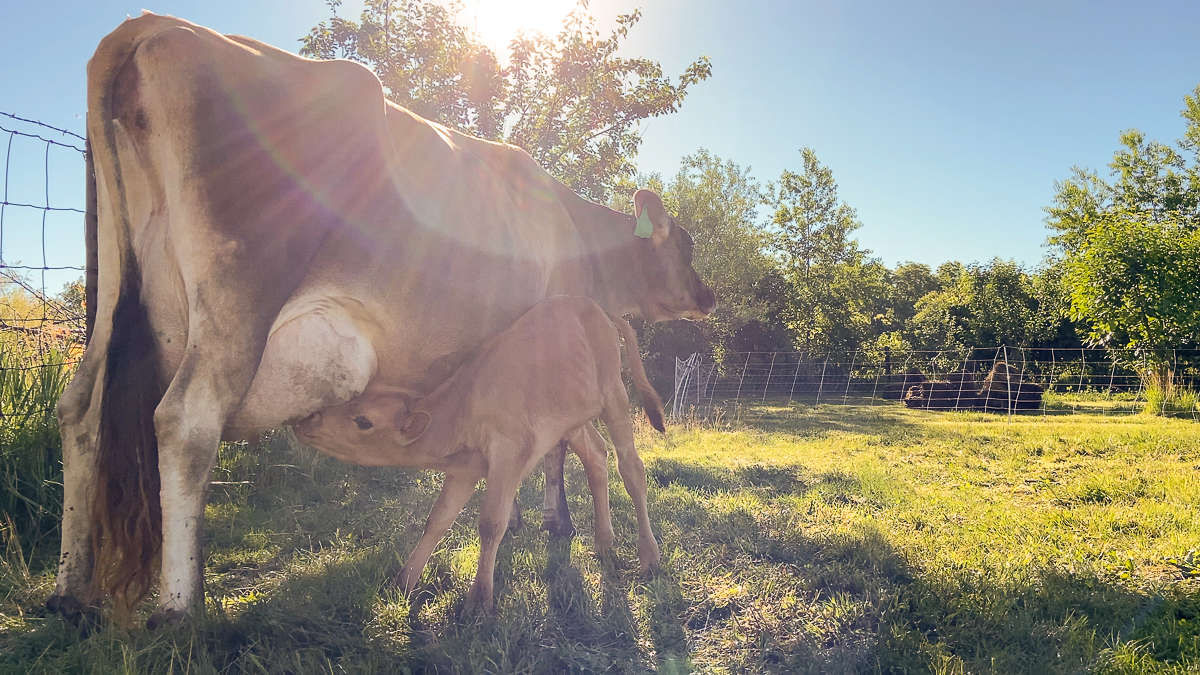
There’s no getting around it that mastitis in dairy cows is common, especially in Jerseys as they get older. We’ve had Thimble, our family milk cow, for 7 years now, and she just turned 10 years old. In her younger years, we never experienced mastitis symptoms, but as she got older, it caught us completely off guard when she experienced full blown mastitis after calving.
With her most recent calf, just a couple of weeks ago, we were prepared to know what to look for. And when mastitis symptoms did arise, we knew exactly what to do to prevent it. If you are looking to prevent or treat mastitis symptoms with cows on your homestead, let’s dive in!
What is Mastitis in Cows?
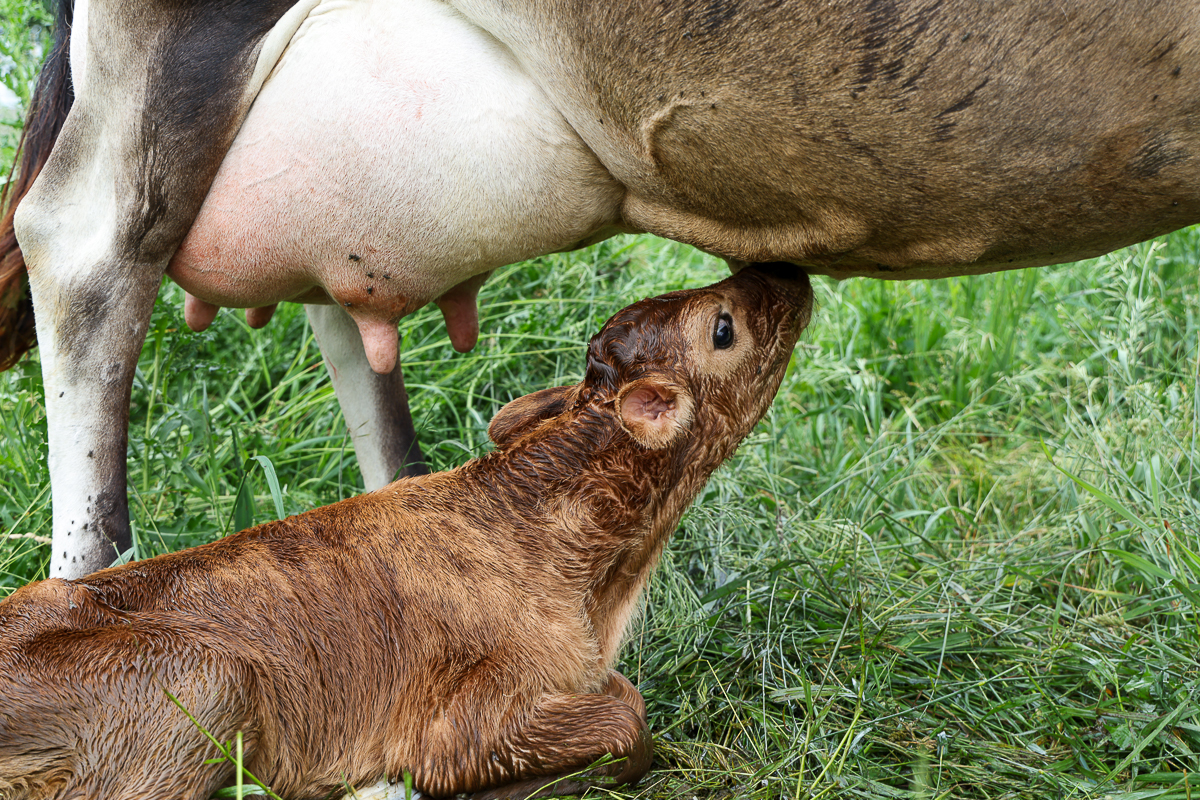
Mastitis is a painful inflammatory reaction in the cow’s udder tissue that is most commonly caused by a bacterial infection entering through the cow’s teats.
Why Does Mastitis Happen?
It most commonly occurs because some sort of harmful microorganism (bacteria, fungi, virus) invades the teat canal.
The cow’s immune system kicks into gear sending white blood cells to the site of the infection which can cause painful swelling, inflammation, and even potentially damaging the tissue that produces milk.
There can be a lot of reasons for this, from environmental or hygienic factors, spread from other infected cows, or even trauma or injury to the cows, like physical damage from sharp objects or even insect bites.
In the case of Thimble on our homestead, we had been pretty hand’s off with her previous calves in the couple of days after calving to let them bond and get acquainted, and she always did great. We would only get in there to milk here and there, as needed, to relieve pressure.
We took the same approach with this calf. Thimble and her calf were both doing well. The wake and funeral for my Mom were just a few days after this calf was born and mostly pulled us away from the homestead. When we got back, Thimble had gone downhill fast and was clearly exhibiting symptoms of full blown, clinical mastitis. With a little bit more attention and milking in that window after calving, I think it easily could have been prevented.
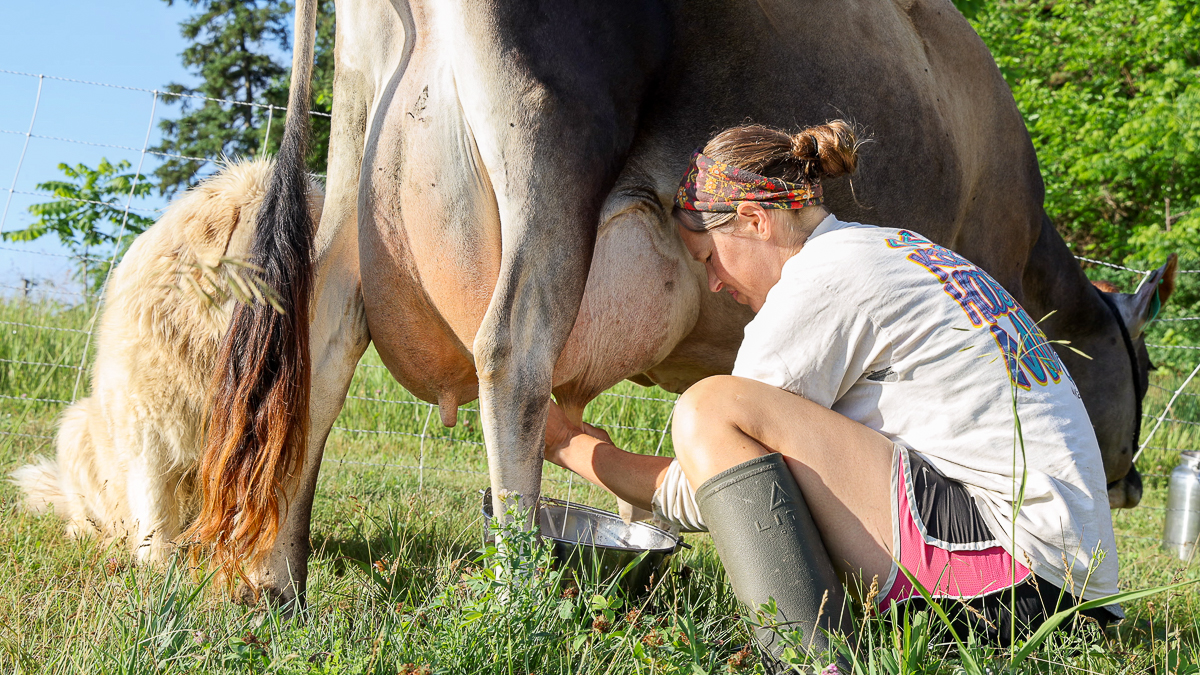
What should you look for in order to prevent mastitis?
There are four mastitis symptoms that we’ve observed in our cows suffering from mastitis.
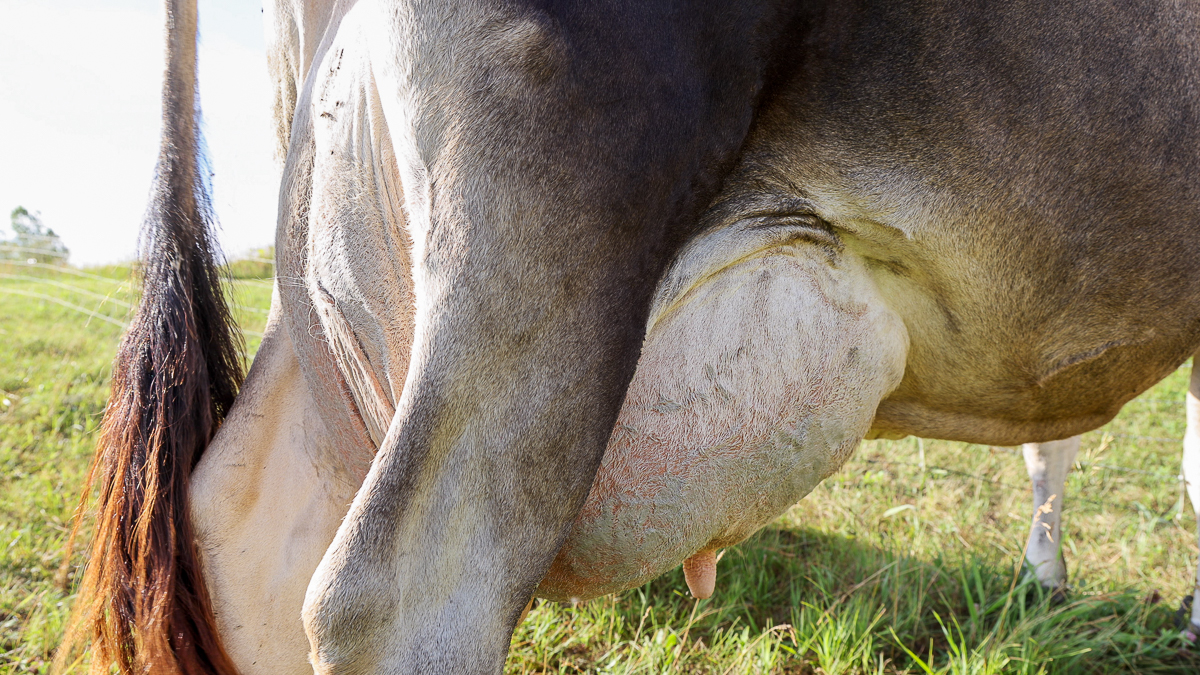
- Udder changes. Specifically hardened, swollen, red, or warm quarters.
- Pain or discomfort with milking. If she is kicking or seems physically in pain when milking, that would be a symptom of a bigger problem.
- Changes in milk quality. This could look like mucus, pus clumps, or blood tinged in the milk.
- A sudden drop in milk production.
In our experience, when we notice one or two of these symptoms pop up (i.e. Hard udders and slight pain with milking), now is the time to naturally treat mastitis before it becomes severe.
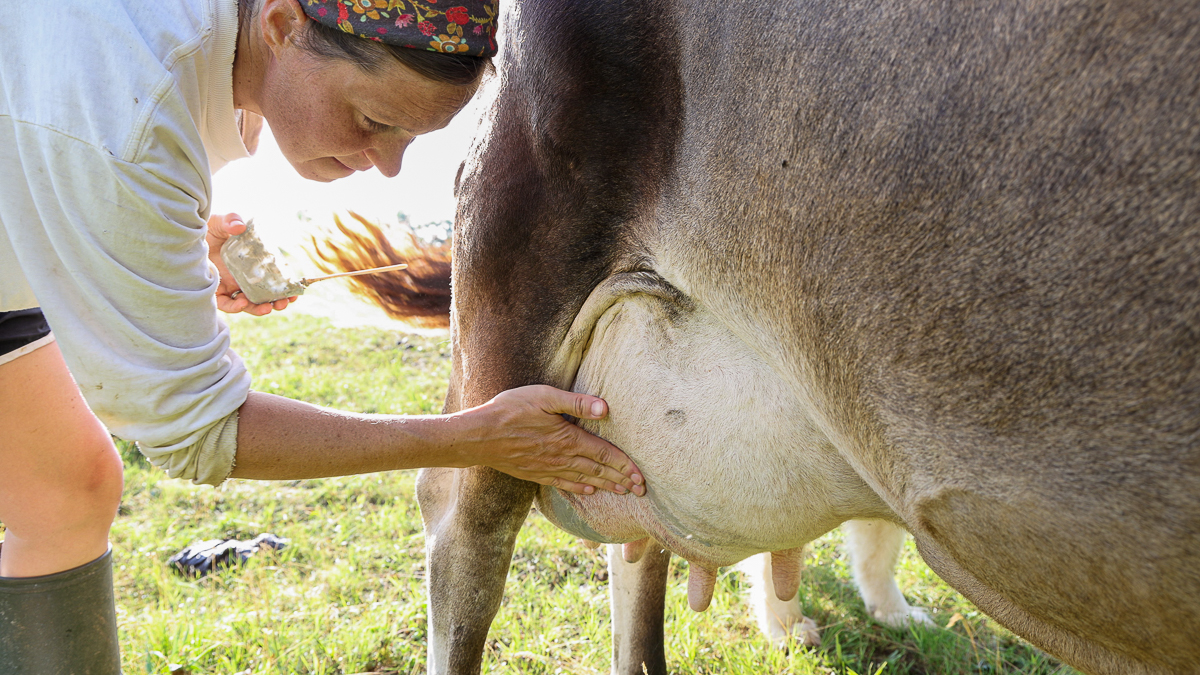
More severe symptoms of Mastitis are:
- Fever, lethargy, and loss of appetite.
- Loss in mobility, stiffness, or inability to get up and walk.
- In extreme cases, if not treated, mastitis can lead to death.
How to Prevent Mastitis When Symptoms are Present
The good news about mastitis is that by being aware of the symptoms, there is a lot you can do to naturally treat mastitis before it becomes severe.
If we notice any of those 4 mastitis symptoms pop up, the first thing we do is whip up a batch of “udder mud” or a bentonite clay-water mixture.
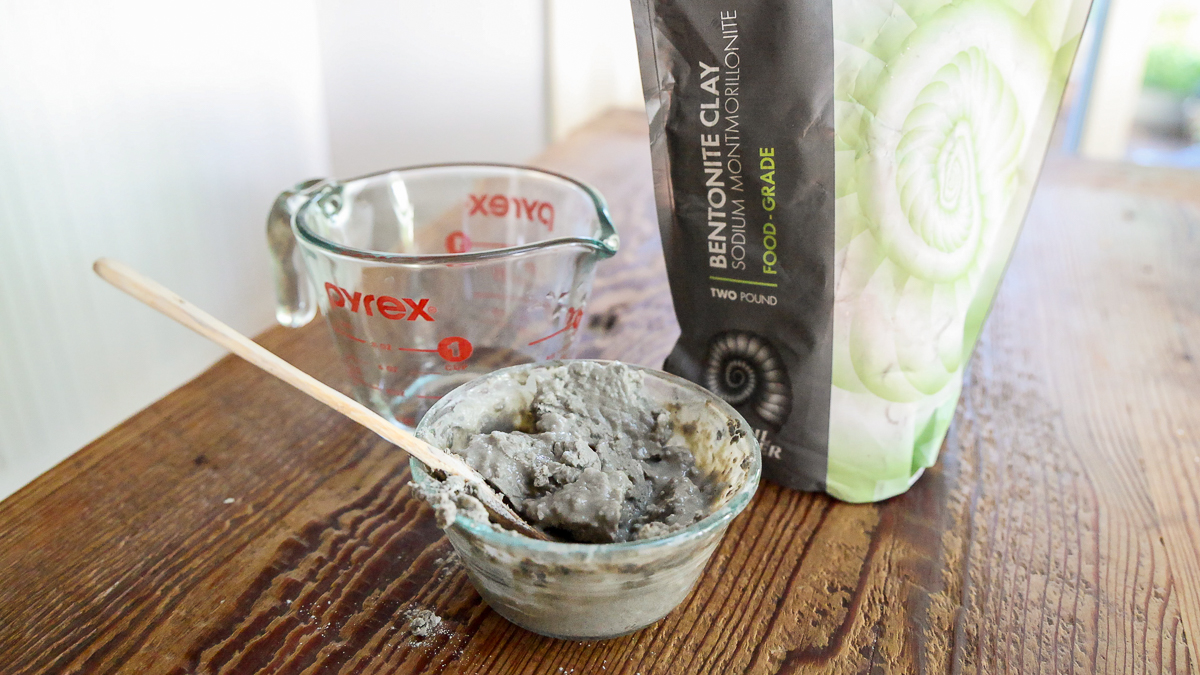
Bentonite clay naturally draws out toxins and infectious bacteria from the skin (we also love to use it in drawing salve to remove toxins from bug bites, or as a natural hair mask). It has worked wonders for us, helping to reduce udder inflammation and pain symptoms very quickly.
To make it, mix roughly a 1:3 ratio of bentonite clay to water until it forms a spreadable, mud-like consistency. Then, using your hands, rub the bentonite clay mixture on her udders, focusing on any hardened quarters. I like to apply this 2-3x per day after milking.
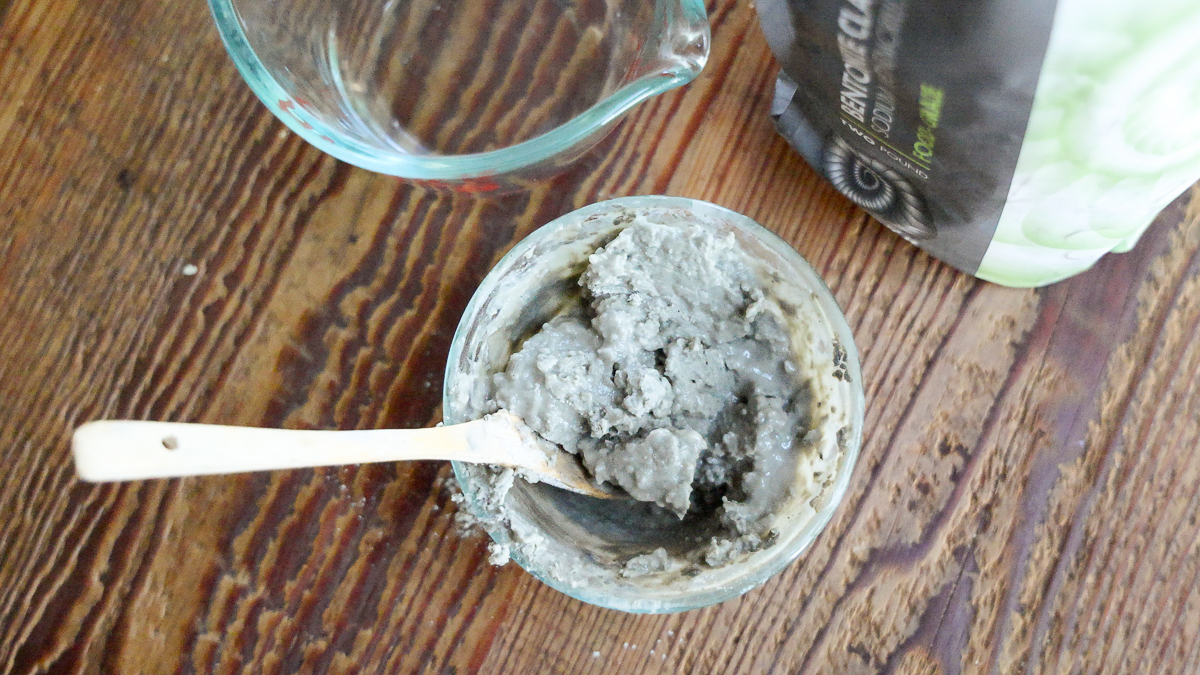
*Note on working with bentonite clay: Avoid using any metal with bentonite clay because bentonite clay is negatively charged and binds to positively charged heavy metals and toxins. Using a metal spoon or bowl could interfere with this charge. I like to make this mixture in a small glass dish and use a wooden spoon.
The second thing is to check and milk often. If I notice any mastitis symptoms, I will check on her and milk her out every 2-3 hours to keep things moving as much as possible.
In our experience, the combination of applying the bentonite clay mixture along with regular milking has quickly knocked out any early mastitis symptoms that we’ve experienced in our cows.
What to do if Severe Mastitis Symptoms Occur
While natural treatment methods and prevention are the best first line of defense for mastitis in cows, if it becomes too severe, it is best to seek medical attention quickly from a large animal vet.
With Thimble, when we returned from the funeral, despite our best efforts to treat her mastitis naturally, it was too severe. She was having difficulty getting up and walking, and we knew we needed more help.
That evening, a local vet came over and administered antibiotics. Within 24 hours, she was acting more like herself. I continued to milk consistently multiple times each day and apply the bentonite clay mixture. It took a week or two for the infected quarter to return to normal, but she came through the mastitis without any long-term repercussions to her milk supply or tissue.
Some of the above links are affiliate links. This means we earn a small commission at no cost to you. We are so appreciative of your support!
More on the Family Milk Cow:
- Simple Cow Milking Process For Beginners
- Owning a Family Milk Cow Basics
- Breaking Down The Cost Of A Family Milk Cow
Pin it for later!